Create Custom Faux Embroidery Letters with Canva Frames
There’s a certain warmth to embroidery—the texture, the stitching, the handmade charm. It instantly adds a cozy, personal touch to any design. But creating that effect digitally has often meant complex software or expensive pre-made graphics. What if you could capture that embroidered look directly within Canva, using your own words and colors? That’s exactly what the Faux Embroidery Canva Frame Letters_21 template offers. It’s a clever design asset that lets you build custom lettering with an authentic stitched appearance, right inside a platform you probably already use.
Understanding the Faux Embroidery Aesthetic
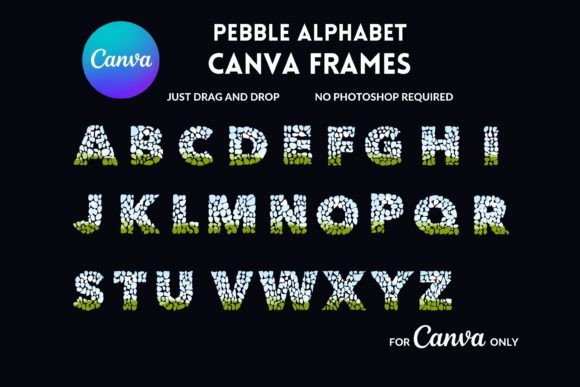
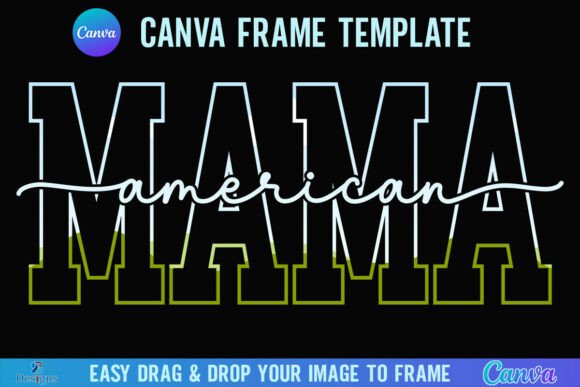
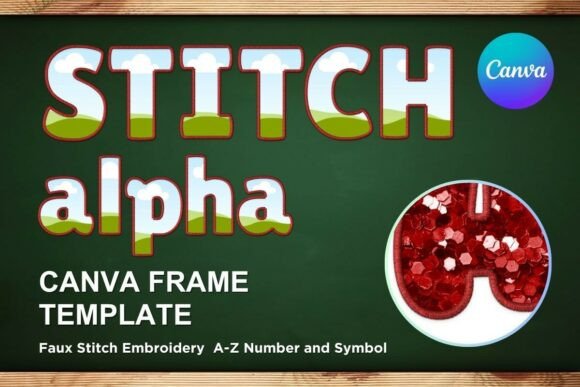
This isn’t a traditional font you install. The Faux Embroidery Canva Frame Letters_21 is a collection of editable Canva frame templates. Each letter of the alphabet is a separate frame. You simply drag and drop your own background pattern, color, or texture into the frame, and the design instantly takes on the look of a embroidered patch or stitched appliqué. The visual style is unmistakably craft-inspired. It features a slightly rounded, friendly typeface shape with a distinct border that mimics the satin stitch or backstitch of real embroidery. The overall personality is approachable, nostalgic, and tactile. It feels personal, like something you’d find on a vintage pillowcase or a handmade gift tag.
The appeal lies in its versatility. Because you control the fill, the effect can range from a classic redwork embroidery style to a modern, colorful patterned look. It’s a premium font alternative for projects that need more personality than a standard serif font or sans serif font can provide. It sits comfortably alongside other creative font options like a script font or handwritten font, but its textured, dimensional quality sets it apart. This is a typeface that doesn’t just convey a word; it conveys a feeling of craftsmanship.
Where This Embroidery Style Truly Shines
Think about projects where a personal, handmade touch elevates the message. The Faux Embroidery Canva Frame Letters_21 excels in scenarios where you want to connect with your audience on a warmer, more human level. It’s particularly effective for:
- Branding & Marketing: Small businesses, especially in the lifestyle, home goods, or artisan food space, can use this style for logo design elements, social media headers, or packaging mockups. It communicates care and quality, perfect for a brand identity that values authenticity. Imagine a bakery using these letters for their weekly specials post or a candle maker for their Instagram stories.
- Publishing & Editorial Design: For bloggers, newsletter creators, or magazine designers, it’s a fantastic way to create standout pull quotes, section headers, or chapter titles in a digital PDF or print layout. It adds visual interest without overwhelming the page, especially when used sparingly as a display font for headings.
- Digital & Print Projects: The applications are wide-ranging. Create unique sublimation letters for tote bags, t-shirts, or mugs. Design eye-catching invitations, greeting cards, or gift tags. It’s also perfect for crafting consistent social media graphics that feel cohesive and professionally designed, even if you’re not a trained designer.
- Personal & Commercial Use: From hobbyists making personalized gifts to entrepreneurs creating product labels, the template bridges personal and commercial needs. The key is understanding the commercial license, which typically allows for creating physical end products like printed goods, but not reselling the digital template itself.
The style works best for short, impactful text—headlines, names, single words, or monograms. Its detailed texture means it’s not ideal for long paragraphs or small body copy, where a cleaner typeface would ensure better readability.
Practical Tips for Using Your Canva Frame Template
Getting started is straightforward, but a few practical considerations will help you get the most out of this design asset. First, remember this is a digital file. You’ll receive a PDF with a link to access your custom Canva template. There’s no physical product or props.
- Evaluate Project Fit: Ask yourself if the embroidered aesthetic aligns with your project’s tone. Is it playful enough? Professional enough? For a formal law firm, probably not. For a community cookbook or a craft workshop promo, it’s perfect.
- Test Your Fill Choices: The magic is in the fill. Experiment with solid colors, subtle gradients, or repeating patterns. A floral pattern inside the letters can be stunning for a wedding invitation. A simple gingham check might be ideal for a picnic-themed event. The transparent layer makes this easy.
- Consider Readability: While the style is charming, clarity is crucial. Ensure there’s enough contrast between your letter fill and the background you place it on. The “stitch” border helps define the letterform, but avoid overly busy patterns that might make the letter hard to decipher at a glance.
- Think About Scale: The template is set for 12×12 inch paper, but the sizes are approximate and can be scaled up or down. When scaling down significantly, like for a business card, test to ensure the stitch detail remains visible and doesn’t turn into a muddy blur.
- Explore Font Pairing: This is where modern typography principles come in. Pair your faux embroidery headings with a simple, clean sans serif font for body text. This creates a balanced visual hierarchy, letting the embroidered letters grab attention while the supporting text remains highly readable. A classic combination might be these frames paired with a font like Montserrat or Lato.
Using the Faux Embroidery Canva Frame Letters_21 is about embracing a specific aesthetic to tell a richer visual story. It’s a tool for adding personality, evoking nostalgia, and creating designs that feel intentionally crafted. By thinking strategically about where and how you use it, you can transform a simple graphic into a memorable part of your brand identity or creative project. It’s a reminder that sometimes, the most effective design choices are the ones that feel the most human.